
Drillo.id at Bali Digifest 2026: Inclusive and Adaptive Digital Education for Every Child
Update November 13, 2026: At the Bali Digifest V 2026 talkshow at Prime Plaza Hotel Sanur, the Founder of Drillo.id discussed inclusive and adaptive digital education: same scores but different learning needs, Tanya Drillo, and access for people with disabilities.
Updated
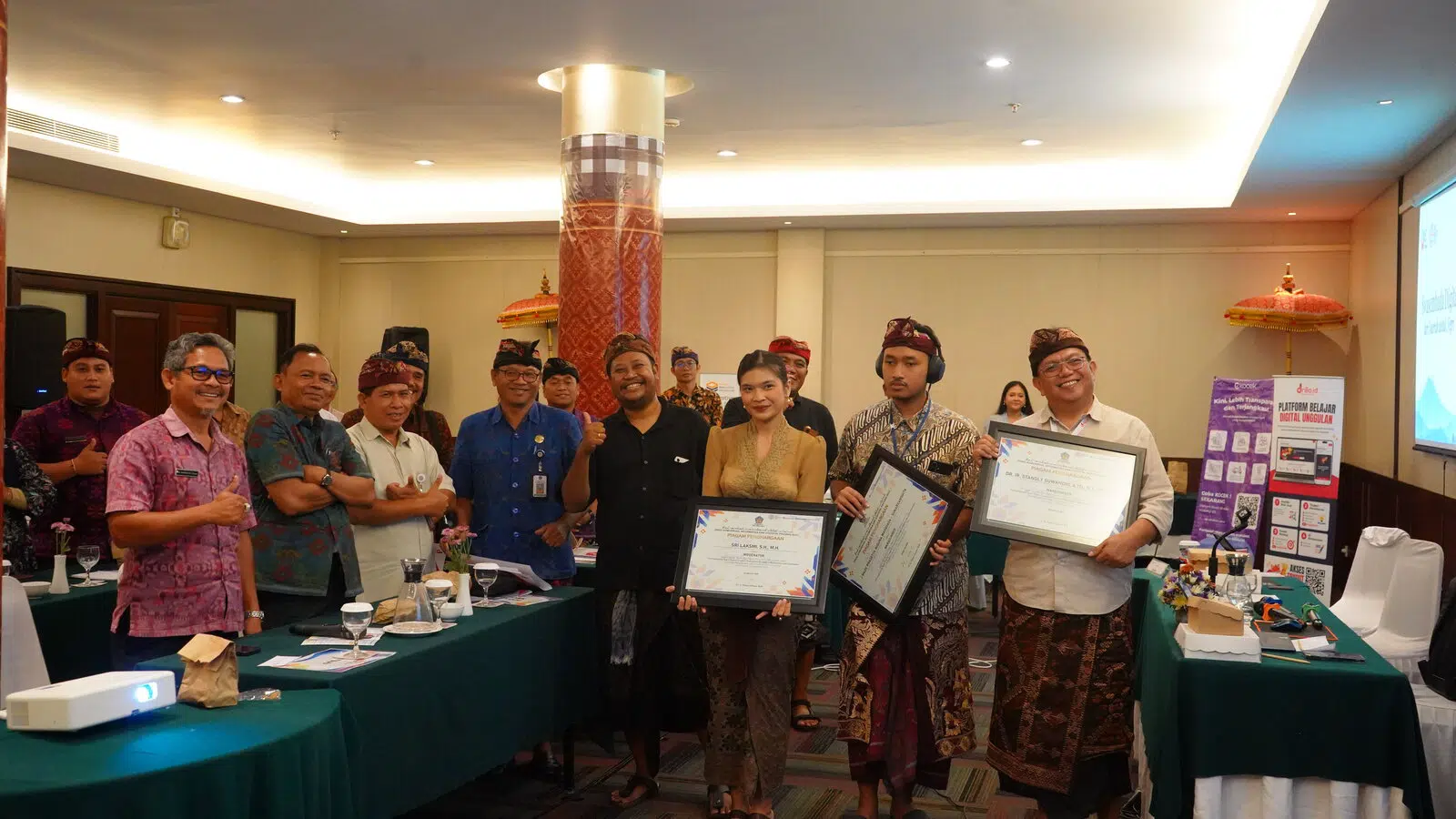
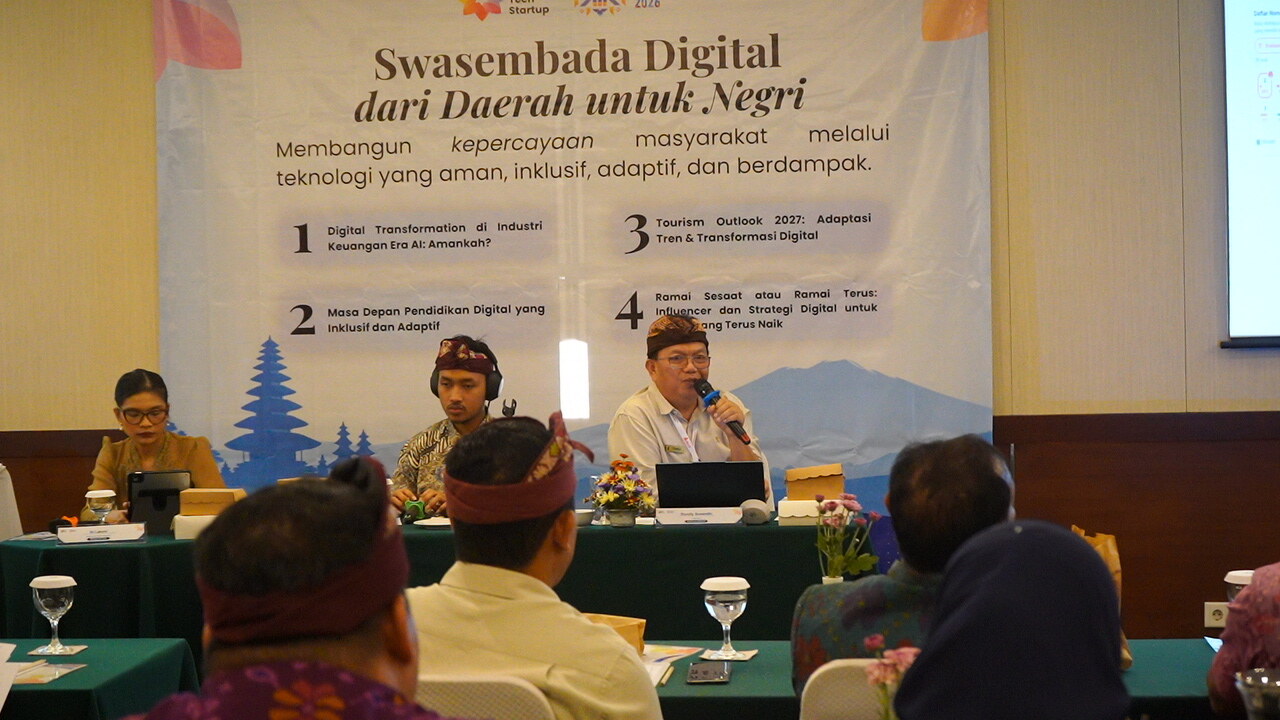
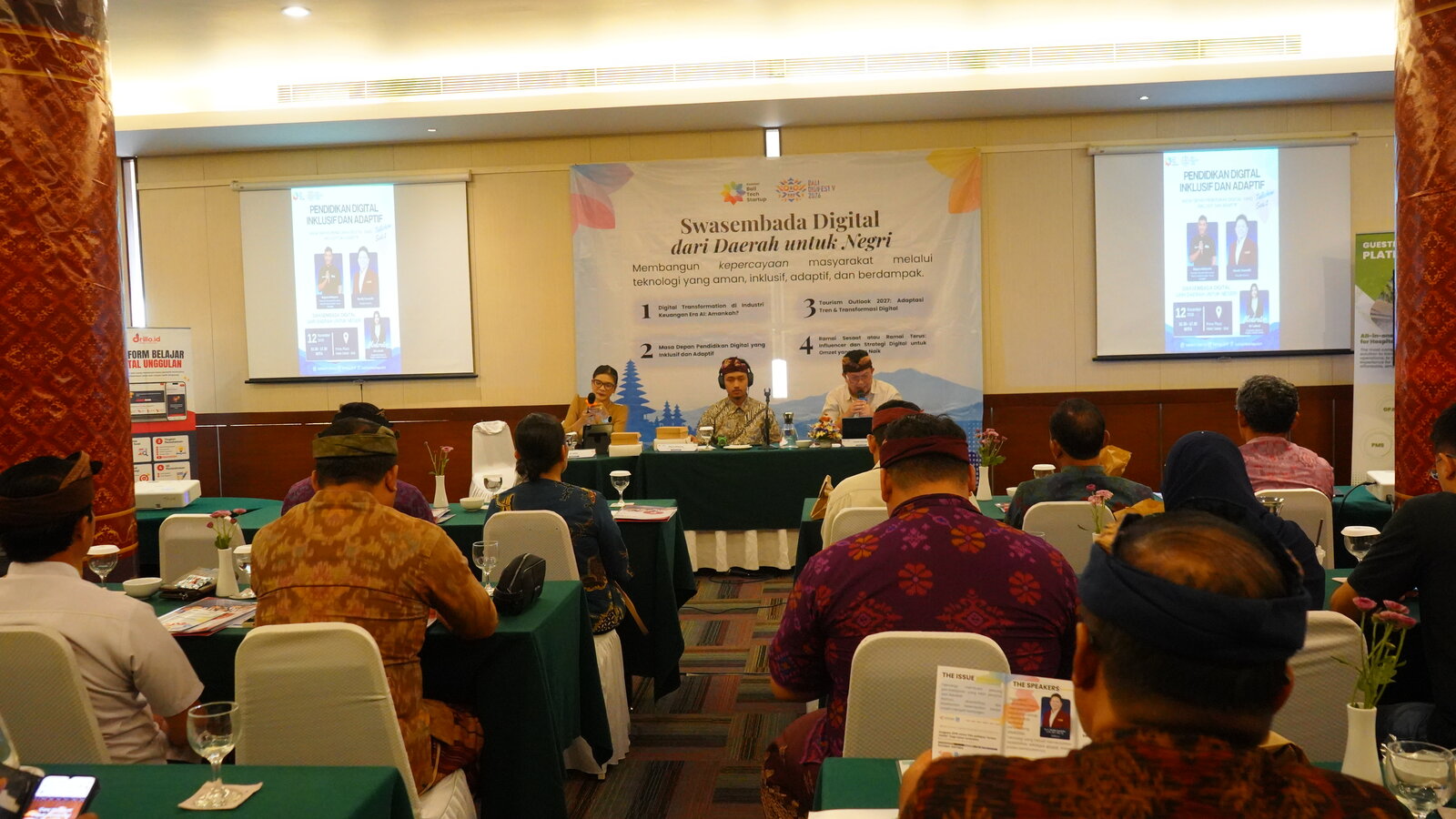
Drillo.id took part in the education talkshow at Bali Digifest V 2026 on the theme "The Future of Inclusive and Adaptive Digital Education". This second talkshow session, organized by the Asosiasi Bali Tech Startup, was held on Thursday, November 12, 2026, at Prime Plaza Hotel Sanur, Bali, under the banner "Digital Self-Sufficiency from the Regions for the Nation". The event began at 15.50 WITA (Central Indonesia Time) and ended at around 18.00 WITA.
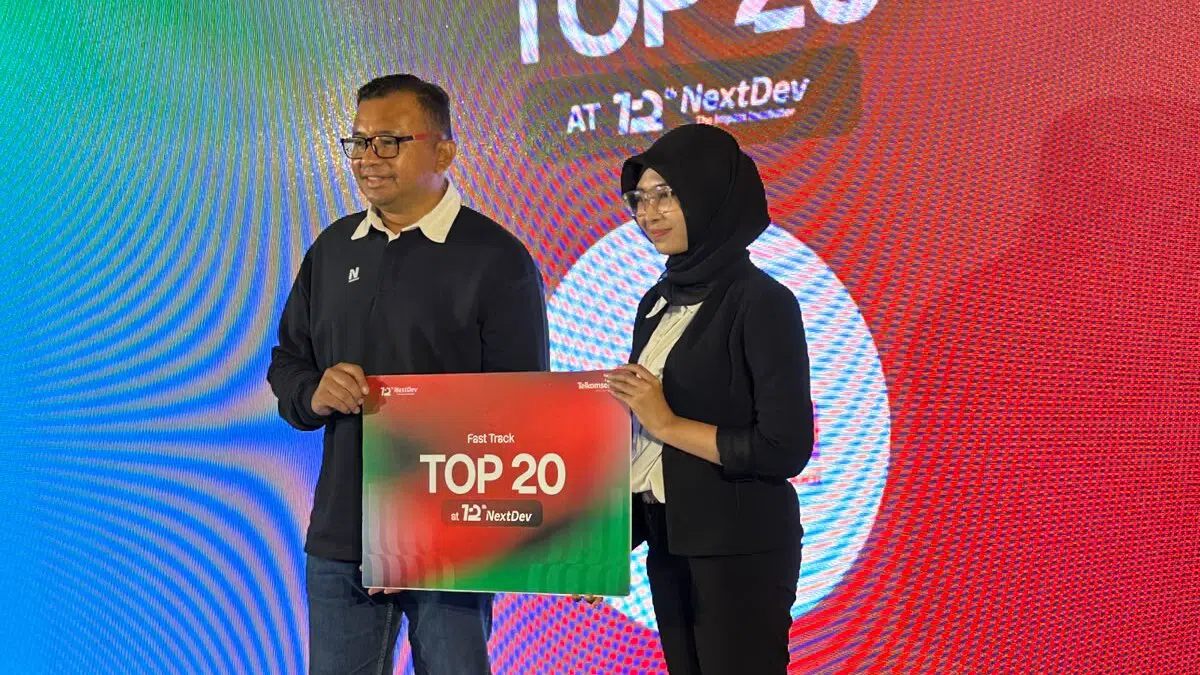
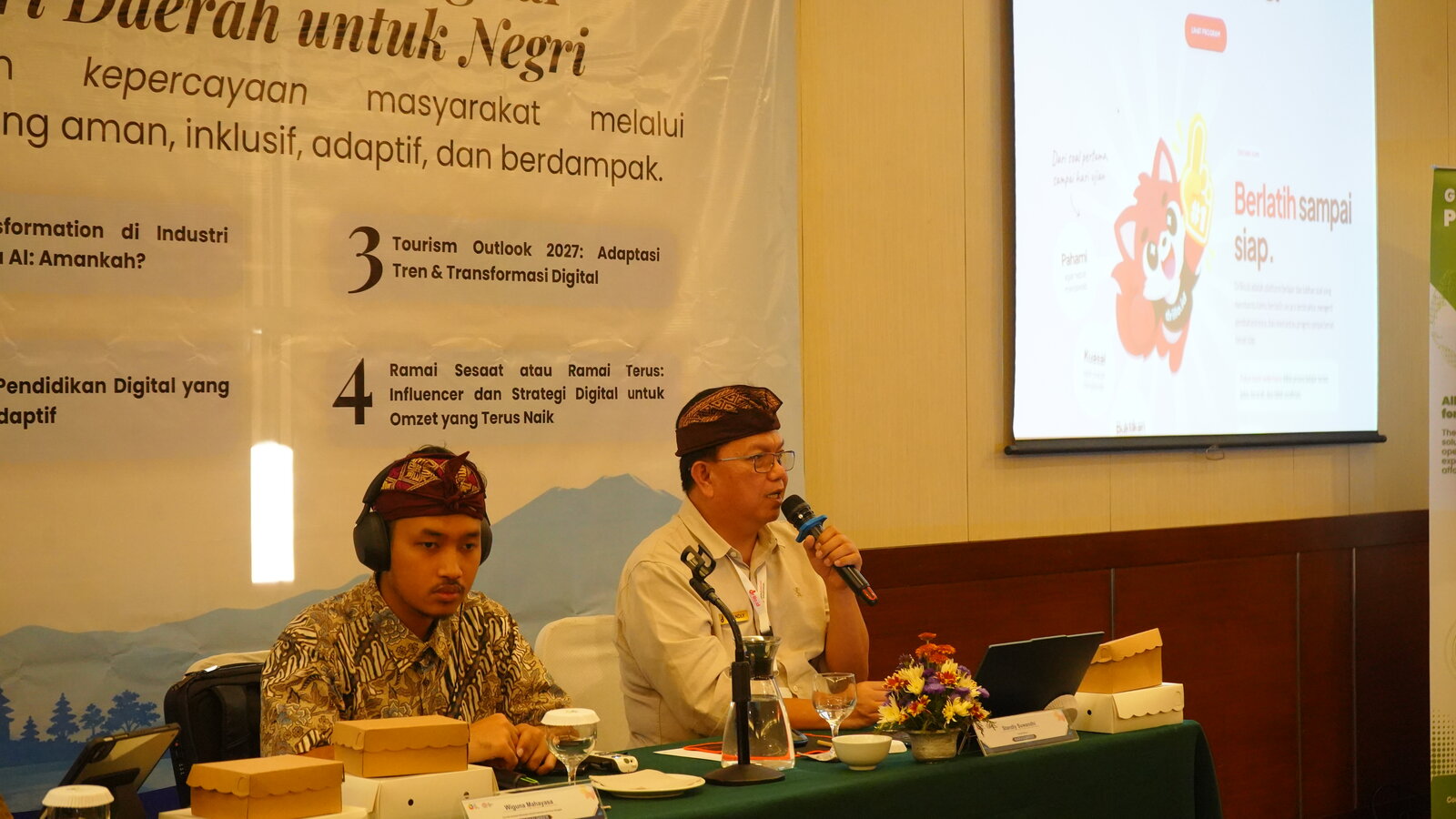
Drillo.id Founder Dr. Ir. Standly Suwandhi, A.TD., M.T., IPU., CI. appeared as a speaker alongside Wiguna Mahayasa, Founder of Asosiasi Wirausaha Inklusif Indonesia, and Sunar Sanggita, with Sri Laksmi as moderator. A total of 23 participants attended, including representatives of government agencies, foundations, and parents of students.
Contents(6)ShowHide
Same Score, Different Learning Needs
In his presentation, Standly stressed that two students can receive the same score while needing entirely different things. Some students have not yet grasped the basic concepts, while others understand them but still need strategy and speed. Because every child learns differently, Drillo.id offers several features to support those varied learning needs.
He also highlighted the growing number of evaluation systems based on Computer Based Test (CBT), such as SKD (the basic competency test in civil servant selection), SKB (the field competency test), and TKA (Tes Kemampuan Akademik, the academic ability test). Students need to be comfortable not only with the material, but also with the format and time management of computer-based exams.
Standly noted that Drillo.id was built by people from Bali, with the hope that its impact is felt nationally, not only in Bali but also in many other regions.
What Makes It Different from Other Platforms?
Responding to the moderator's question, Standly explained that Drillo.id is designed to help students answer questions accurately through analysis of their level of understanding, and to answer more quickly through mastery of strategy. Through the AI-assisted Tanya Drillo feature, every question comes with three learning stages:
- Build Understanding: an in-depth discussion explaining the concept in plain language, including why the other answer options are less accurate.
- Master the Strategy: how to work through the question more efficiently.
- Test Your Understanding: trying similar questions to prove the concept has been grasped.
Schools that take part in a free Drillo.id tryout also receive a tryout results report. Students can immediately see the discussion for each question, find out which answers were right or wrong, and review how long they took. A sample report can be seen in the article on free tryouts for schools.
Digital Education for People with Disabilities
Inclusivity was one of the focal points of this session. Asked how digital transformation can help children with disabilities, Standly said that Drillo.id collaborates with communities that involve children with disabilities. The understanding-level feature also provides audio to help users who need audio-based learning support.
Wiguna Mahayasa spoke from direct experience. He is both blind and Deaf, and has studied up to the master's degree level. During his studies, he once could not access exam questions because the documents were not readable by his screen reader. After he raised the problem with the developers, a solution was worked out together until he could complete the questions independently.
In his view, barriers most often arise from things that look trivial. Video without subtitles is hard for Deaf people to follow, while images without descriptions cannot be understood by blind people. He named several things that can immediately widen access:
- Subtitles and transcripts on learning videos.
- Audio descriptions to explain visual content.
- ALT text on website images, so screen readers can read out what they contain.
- Documents and app menus that work with screen readers, including PDF files.
He also mentioned a number of assistive tools that are still not widely known in the disability community, such as the Be My Eyes app to help make sense of unreadable PDFs, AI-based text readers for blind users, and the Live Transcribe feature on Android that turns speech into text.
Policy, Developers, and Curriculum
Wiguna proposed three areas that deserve shared attention. On policy, he hopes the government will run outreach and oversight on accessibility, and that foundations will consider accessibility when developing LMS platforms and education portals. On the developer side, he wants accessibility knowledge such as ALT text to reach the developer community so education platforms become easier to access.
On curriculum, he proposed teaching digital empathy from an early age. Children who will one day create content or learning materials should understand that digital work needs to be accessible to a wide range of users. He gave the example of a two-hour training session in which participants practice describing images for people who cannot see. His concern is clear: the growth of digital education and AI can widen the gap if accessibility is overlooked.
As a member of the Balinese community, he considers it important to create education technology that everyone can access, including blind people, and that can be used independently without needing help from others.
Highlights from the Q&A Session
"This masterpiece, Drillo, is very useful for education in Bali."
Head of MKKS SMP Kabupaten Buleleng
The question and answer session was lively. Some of the questions raised:
- Cost of use in schools. The Head of MKKS SMP Kabupaten Buleleng, the junior high school principals' working group, opened his question with appreciation: "This masterpiece, Drillo, is very useful for education in Bali." He then asked whether there are costs schools must bear, given that junior high schools currently rely only on BOS funds, the government school operational assistance. The answer explained that free access is available for Mathematics and Bahasa Indonesia, and that schools interested in the full package can purchase it through SIPLah, the government school procurement marketplace.
- AI and student creativity. A representative of the Bali Provincial Education Office asked how to ensure students continue to develop critical thinking and creativity as the use of AI spreads, rather than becoming dependent on the technology. He also asked how the platform can be genuinely friendly for learners with disabilities. The answer noted that AI is one of the challenges facing education, and that Drillo.id has already anticipated the potential for cheating. During an exam, switching tabs triggers a warning sound. In the simulation presented, violations are capped at five before the exam and scoring end automatically. AI was also likened to a knife: useful, but capable of causing harm if not used wisely.
- Outreach to the regions. A parent with children in junior and senior high school asked whether features like these have been introduced to regencies and education offices, and how to access them. The answer was that outreach to schools has already begun, and that interested schools can obtain a free tryout. A representative of the Education, Youth, and Sports Office of Kabupaten Buleleng also suggested holding outreach in Buleleng. A representative from Karangasem proposed the same for their area. The scale is not small: Karangasem was said to have 45 public and private junior high schools, while Buleleng was said to have around 780 education units at the early childhood, primary, and junior high levels.
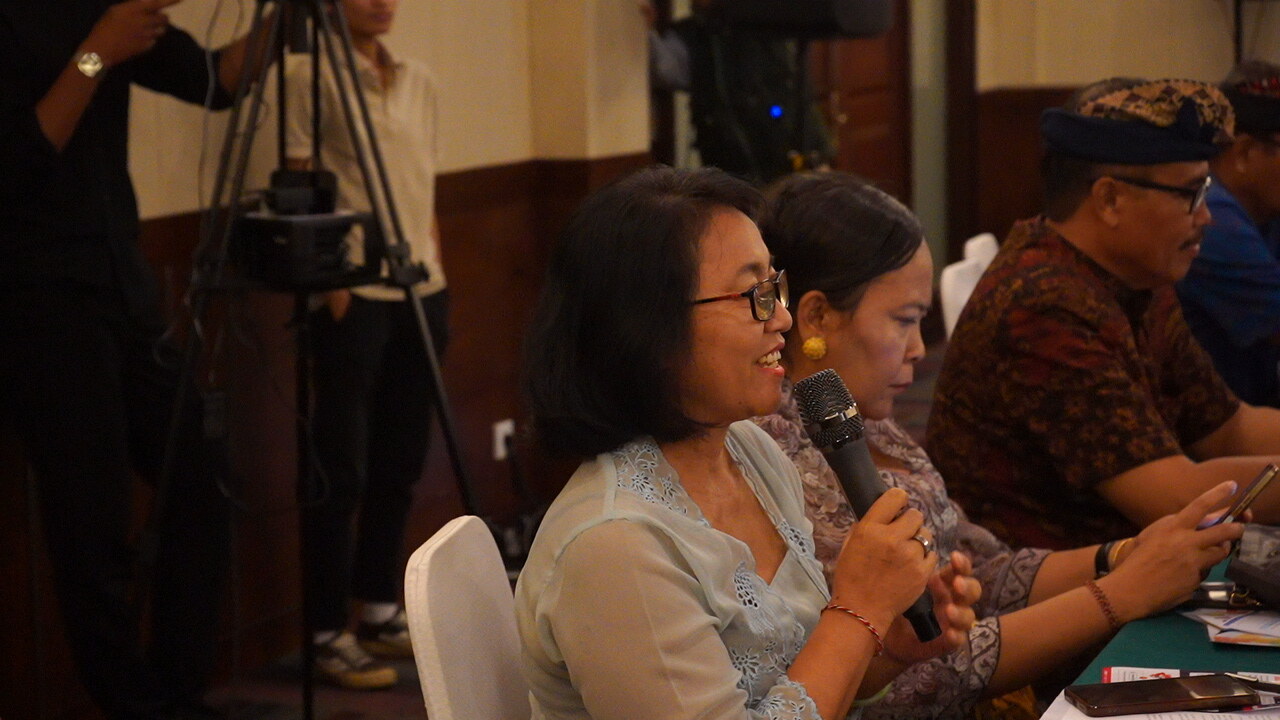
Participant response was positive, with many interested in trying it out. Students can access the free tryout directly at drillo.id using a Google account or email.
An Invitation to Collaborate: Start with One School Tryout
At the end of his presentation, Standly invited education offices, schools, and foundations to build collaboration that is simple but measurable: map students' learning needs, support teachers with targeted practice, then measure progress again.
"Do not count the apps. Count the children who are helped."
Dr. Ir. Standly Suwandhi, A.TD., M.T., IPU., CI., Founder of Drillo.id
Schools that want to get started can request a free tryout for their students through the free school tryout request form. Tryouts are available for TKA SD, TKA SMP, TKA SMA/SMK, and UTBK-SNBT, complete with results reports for teachers.
Would your school like to take part? Drillo.id offers free tryouts for schools: one code for a whole year group, results shown right away, and teachers receive a PDF results report within 24 hours. Free for students and schools. Request a free tryout for your school here, or first read how free school tryouts work.
Written by
Abigail Dewi
Penulis Kabar dan Inspirasi Drillo.id
Meliput kegiatan, prestasi, dan kolaborasi Drillo.id, serta kisah nyata para penggunanya. Menghadirkan cerita dan pengalaman yang memberi wawasan, motivasi, dan inspirasi bagi pembaca.